Fort Stanwix held the Oneida Carry and held off a British siege
The British built the fort in 1758 to guard the portage at Rome. In 1777, its American garrison withstood a siege.
By Owen Tafel
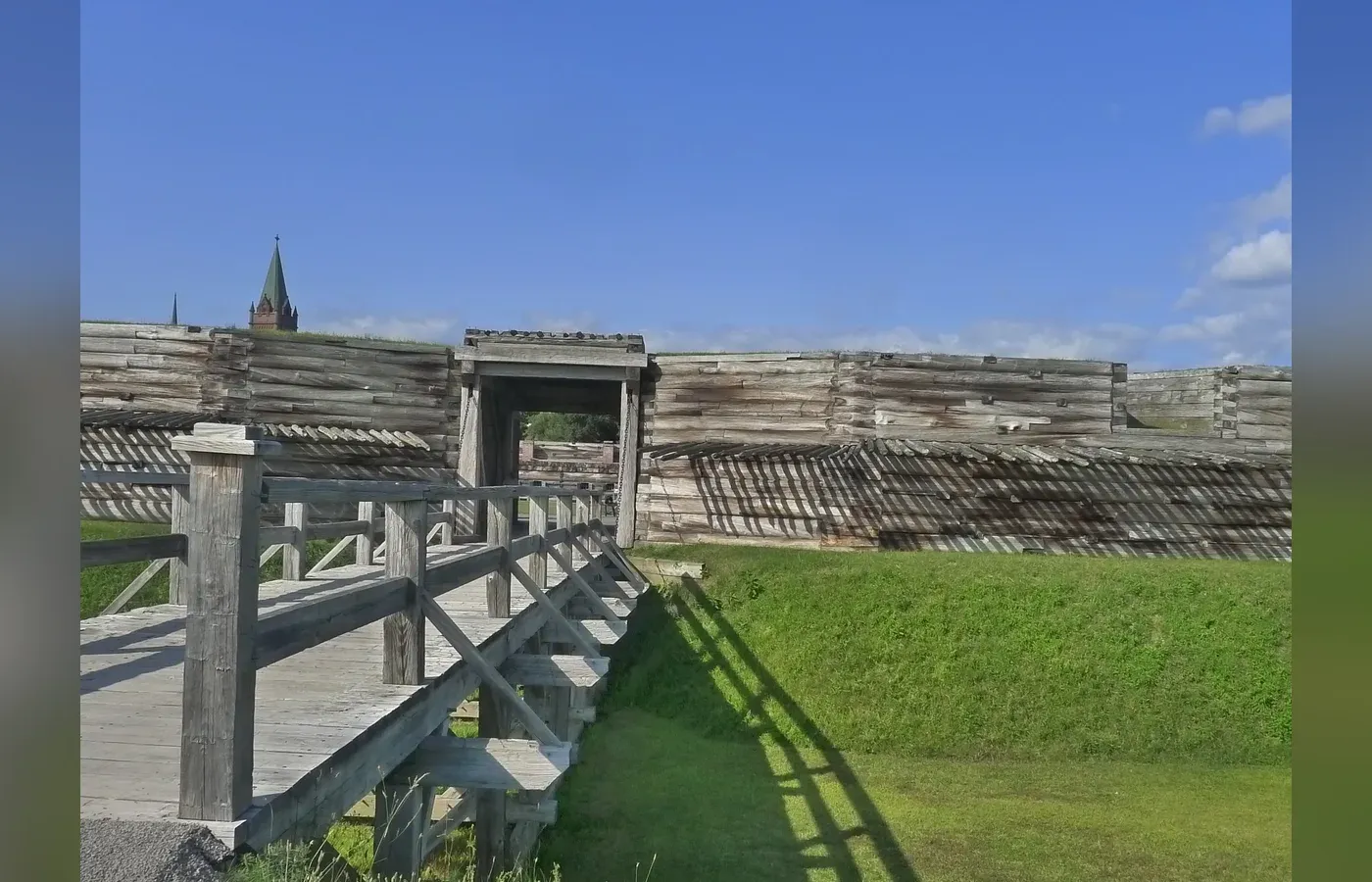
Fort Stanwix was built to guard a short stretch of land in what is now Rome. The Oneida Carry was the portage between the Mohawk River, which ran toward the Hudson and the Atlantic, and Wood Creek, which led to Oneida Lake, Oswego and Lake Ontario.
Construction began on Aug. 26, 1758, during the French and Indian War, under British Gen. John Stanwix. It was not finished until about 1762.
Two treaties carry its name. In 1768 the British and the Iroquois met there, and in 1784 the Iroquois and the new American government did.
During the Revolution, American forces took over and rebuilt the fort. In August 1777, a British army that had come from Canada by way of Lake Ontario laid siege to it. The fort held, and that defense helped lead to the defeat of a larger British army in the Saratoga campaign.
The fort on the site today is a reconstruction built by the National Park Service as Fort Stanwix National Monument. Three short trails circle it, one along part of the old carry. The Marinus Willett center keeps the monument’s 485,000 artifacts and documents.